Understanding the Four Varieties
1. Vanilla Cribbiana
Also known as Vanilla Maya, this rare vanilla species is cherished for its rich flavour profile. It boasts a high vanillin content (2.13%), comparable to the finest Vanilla Planifolia and surpassing even top-tier Vanilla Tahitensis. Its unique taste is further enhanced by Anisyl compounds, which contribute floral and spicy notes akin to Vanilla Pompona. Grown in regions once inhabited by the ancient Maya, particularly in Guatemala.
LEARN MORE ABOUT VANILLA CRIBBIANA (Link to aroma and Flavour)
2. Vanilla Tahitensis
One of pastry chefs’ favourites, it originated in French Polynesia and offers floral, fruity notes. These beans are plumper and moister than Planifolia, with a cherry-like aroma and undertones of anise and almonds. Tahitian vanilla is prized for its delicate, perfume-like quality that works beautifully when you want vanilla to stand out without overwhelming other flavours. A notable example is its use in Pierre Hermé’s Infiniment Vanille, where its subtle fragrance elevates the dish without overpowering the other ingredients.
3. Vanilla Planifolia
The most common variety globally is what most people think of when they imagine vanilla. Grown mainly in Madagascar, Mexico, and other tropical regions, Planifolia beans are long, slender, and rich in vanillin, the compound responsible for the classic vanilla flavour. These beans offer rich, creamy, sweet notes with hints of caramel and chocolate, making them the reliable workhorse of the vanilla world.
4. Vanilla Pompona
Often nicknamed “Vanilla Banana or Vanillon,” it is the bold, unconventional type of vanilla. These pods are thicker than other varieties and have a savoury, aromatic flavour profile. Pompona is the wild card, carrying notes of tobacco, leather, and a hint of anise. A rich mix of aromatic compounds, such as heliotropin, reminiscent of the nostalgic scent of cherry-almond candies balances its lower vanillin content.
Flavor Profiles and Characteristics
The differences between these varieties become clear when you consider their chemical compositions and sensory profiles.
Vanilla Cribbiana offers approximately 2.3% vanillin, comparable to premium/gourmet-grade Vanilla Planifolia and surpassing top-tier Vanilla Tahitensis. Vanilla Cribbiana stands out for its balanced aromatic profile. You’ll notice floral notes like jasmine, complemented by subtle spiciness suggesting cardamom or a hint of black pepper. The finish is smooth and lingering, with a natural sweetness that often needs less added sugar in recipes.
Vanilla Tahitensis typically contains 1.5% to 2% vanillin but is rich in anisyl compounds, which give it its floral, fruity profile. The beans are often described as having notes of cherry, licorice, and almond, with a delicate sweetness that feels lighter than the richness of Planifolia. Tahitian beans have higher moisture content, making them especially suitable for cold applications where you want vanilla flavour without heat.
Vanilla Planifolia generally above 1.6%, often 2% or more vanillin content, for premium/gourmet-grade beans. This gives a deep, rich, unmistakable vanilla flavour. The flavour profile is straightforward but complex, with primary notes of vanilla, cream, and caramel, supported by subtle hints of chocolate, smoke, and a touch of raisin in high-quality beans.
Vanilla Pompona flavour profile is perhaps the most adventurous. With vanillin levels of around 1.5% to 2%, this variety is complemented by heliotropin and other aromatic compounds, creating a savoury, complex character. The flavour is bold and slightly smoky, with herbal undertones that make it interesting in savoury applications. Some describe Pompona as having a “green” quality, like fresh hay or cut grass, alongside its traditional vanilla notes.
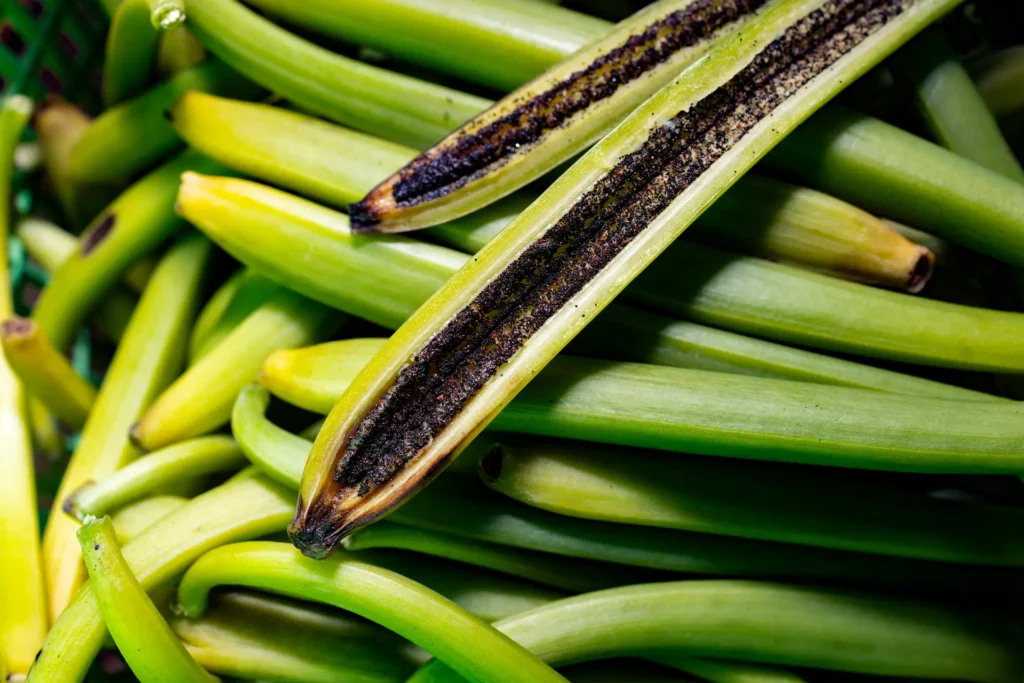
V. Cribbiana or Vanilla Maya boasts a high vanillin content (2.13%), comparable to gourmet V. Planifolia and surpassing even top-tier V. Tahitensis.
Practical Applications of Vanilla
Understanding these differences is one thing, but knowing how to use each variety effectively is where the magic is.
Using Vanilla Cribbiana
Vanilla Cribbiana shines when you want complexity without overwhelming a dish. We’ve found it especially effective in these uses. For cooks wishing to experiment with Cribbiana, consider that one medium bean flavours roughly 2 cups of custard, providing a foundation for exploring complex flavours while ensuring the vanilla does not overshadow the dish.
Ice cream and frozen desserts: The balanced profile of Cribbiana makes exceptional vanilla ice cream. Split one or two beans lengthwise, scrape the seeds into the cream base, and add the pods to steep as you heat the cream base. The result is a sophisticated vanilla flavour with floral high notes and a smooth finish.
Fruit-based desserts: Cribbiana complements fruit beautifully without competing with delicate flavours. Try infusing it into a simple syrup for poaching pears or apricots. Combine 1 cup of water, 1 cup of sugar, and 1 split Cribbiana bean in a saucepan. Heat until the sugar dissolves, then simmer for five minutes before adding your fruit.
Custards and crème brûlée: The subtle complexity of Cribbiana elevates classic custards. For a crème brûlée serving six, use one whole bean, splitting and scraping it into two cups of heavy cream. The earthy undertones add sophistication, while the floral notes keep the dessert light.
Coffee and tea blends: Add a two-inch piece of Cribbiana bean to your coffee grounds before brewing, or steep a quarter bean in hot tea. The spicy notes complement coffee’s bitterness and tea’s tannins.
Beverages: Cribbiana’s rich character makes it ideal for hot applications where its deep flavour can fully develop. Add a quarter bean to hot chocolate, infuse it into warm cocktails like toddies or mulled wine, or steep it in heated cream for desserts.
Seafood dishes: Yes, vanilla in seafood. A small amount of Cribbiana (a quarter teaspoon of seeds) in a beurre blanc or cream sauce for scallops or lobster adds an unexpected floral note that enhances sweetness. The anise undertones complement seafood naturally.

Using Vanilla Pompona
Pompona’s bold, savoury character makes it ideal for applications that might surprise you:
Savoury sauces and marinades: Split a Pompona bean and add it to barbecue sauce, mole, or braising liquid for pork or chicken. The smoky, herbal notes enhance savoury dishes without making them taste like dessert. For a simple vanilla-bourbon glaze, combine 1/2 cup bourbon, 1/4 cup maple syrup, 1 tablespoon Dijon mustard, and 1 split Pompona bean. Reduce by half for an incredible glaze on grilled meats.
Roasted vegetables: Toss root vegetables like carrots, parsnips, or sweet potatoes with olive oil, salt, and the seeds from half a Pompona bean before roasting. The earthy, anise-like quality complements the natural sweetness of caramelised vegetables.
Chocolate desserts: Pompona’s bold profile pairs well with dark chocolate. Use it in brownies, chocolate mousse, or ganache for a more complex, less sweet vanilla presence. The slight bitterness and aromatic complexity create layers of flavour.
Spice rubs: Grind dried Pompona beans with coffee, black pepper, cumin, and brown sugar for an exceptional steak or brisket rub. The vanilla adds depth without sweetness.
Using Vanilla Tahitensis
Tahitian vanilla’s delicate nature calls for applications where subtlety is essential:
White chocolate and fruit pairings: Tahitensis pairs well with white chocolate. Infuse chopped white chocolate with Tahitian vanilla by heating cream with a split bean, then pouring it over the chocolate. Use this ganache for truffles or frosting. The floral notes highlight white chocolate’s creaminess without the heaviness of Planifolia.
Fruit salads and sorbets: Make a Tahitian vanilla syrup by simmering 1 cup of water, 1/2 cup of sugar, and 1 split vanilla bean for 10 minutes. Cool and drizzle over fresh berries, tropical fruit, or use as a base for sorbet. The cherry-like notes harmonise with strawberries and stone fruits.
Beverages: Tahitensis Vanilla excels in cold applications. Add a quarter bean to cold-brew coffee, infuse it into cocktails, or steep it in cream for an Irish coffee. The floral quality shines without heat, which extracts bitter compounds.
Using Vanilla Planifolia
Planifolia is a reliable choice for traditional applications:
Classic baking: Use Planifolia for cakes, cookies, and pastries for unmistakable vanilla flavour. For a standard cake recipe, one whole bean or two teaspoons of pure Planifolia extract provides a rich, sweet vanilla foundation. The high vanillin content ensures the flavour survives high baking temperatures.
Vanilla extract: If you’re making your own, Planifolia is the traditional choice. Split five to six beans lengthwise and place them in a cup of vodka or bourbon. Store in a dark place for at least eight weeks, shaking occasionally. The high vanillin content creates a potent extract.
Pastry cream and fillings: The creamy, rich profile of Planifolia makes it ideal for pastry cream, filling éclairs, or layering in cakes. Heat 2 cups of milk with a split vanilla bean, steep for 15 minutes, then proceed with your pastry cream recipe. The robust flavour will stand out among other ingredients.
Vanilla sugar: Store used Planifolia beans in a jar of sugar. The beans infuse the sugar with flavour over several weeks. Replace the sugar as you use it, and the beans will continue to flavour for months.
Tips for Storing and Preparing Vanilla Beans
Regardless of which variety you choose, proper storage and preparation ensure you get the most from these precious pods.
Store all vanilla beans in an airtight container in a cool, dark place. Do not refrigerate; it can make the pods brittle or cause crystallisation. A sealed glass jar in a kitchen cabinet away from heat sources works well.
Read the complete guide on how to store your vanilla pods.
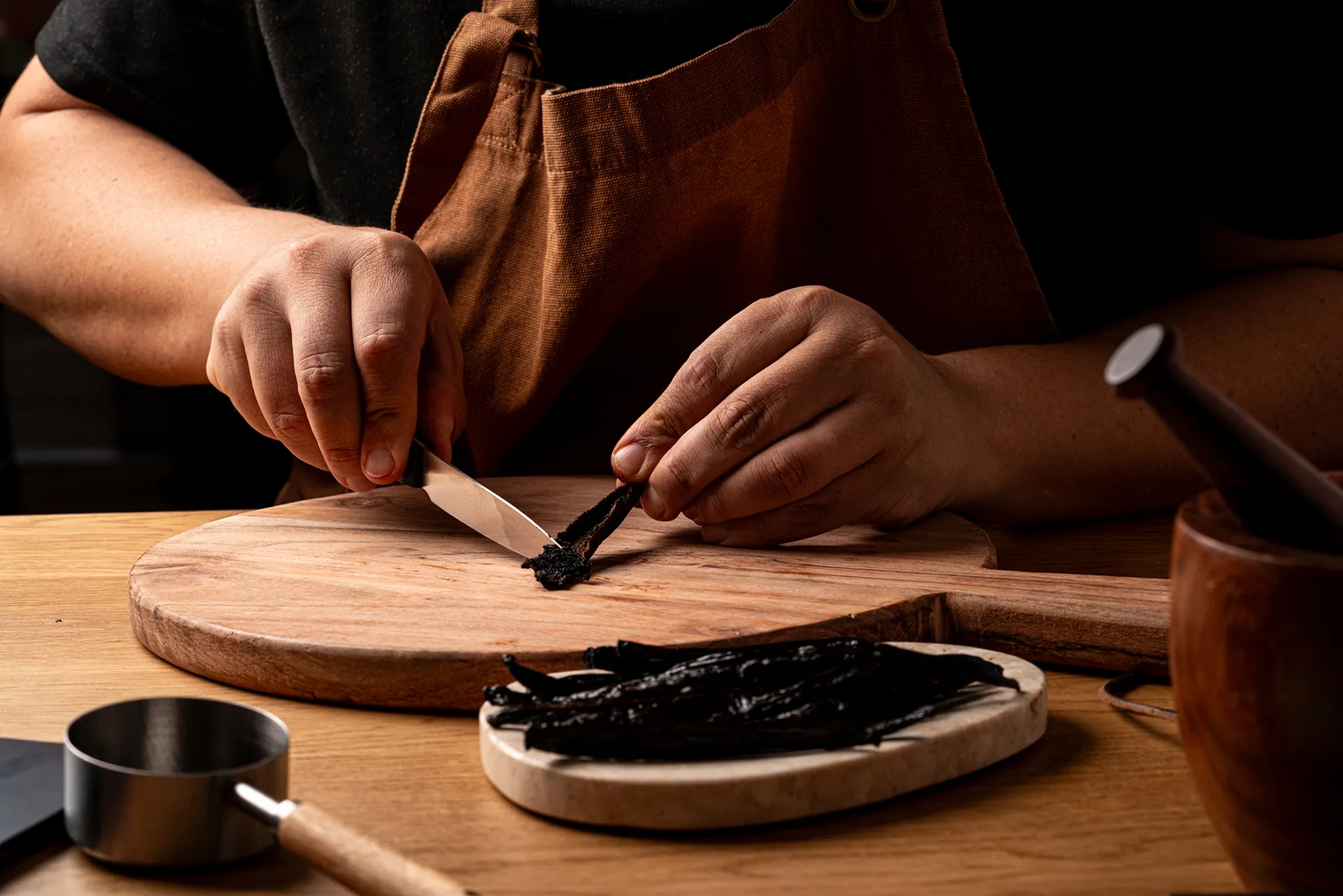
When preparing beans for use, lay the pod on a cutting board and use a sharp paring knife to split it lengthwise. Use the back of the knife to scrape out the tiny black seeds inside. Both the seeds and the pod contain flavour, so don’t discard the pods after scraping. They can be steeped in liquids, dried, and ground into a powder, or used to make vanilla sugar.
For infusions, gently heat your liquid (cream, milk, or syrup) with the split bean and seeds, but avoid boiling, which can create bitterness. Let the mixture steep off the heat for at least fifteen to twenty minutes for optimal flavour extraction. For cold applications, allow longer steeping time, sometimes 24 hours or more.
If you’re using vanilla in raw preparations like no-bake cheesecakes or whipped cream, you can mix the seeds directly into the base. The flavour will be more delicate than in cooked preparations but still distinctive and aromatic.
Making Your Choice
When selecting between these varieties, consider the final dish and the flavour profile you want to achieve. Vanilla Cribbiana offers versatility and sophistication, making it an excellent choice when you want complexity without committing to the more unusual characteristics of Pompona or the delicate florals of Tahitensis. It works beautifully in both traditional and modern applications, offering enough familiarity to comfort vanilla lovers while providing enough complexity to intrigue adventurous palates.
Consider building a small collection of varieties. Using Cribbiana as your primary vanilla for everyday use, Pompona for savoury experiments, and Planifolia for traditional baking gives you the flexibility to match the vanilla to the dish rather than making every dish adapt to one variety.
Take time to smell each variety, taste them in different applications, and discover which characteristics resonate with your cooking style and palate. Each vanilla has its own personality and strengths. Exploring these varieties opens up new dimensions in your cooking, transforming the familiar into something extraordinary.
Aromatic. Expressive. Unforgettable.
The flavour and aromatic profile of our vanilla is influenced by the species, production location, curing process, and storage conditions. This natural setting infuses Vanilla Maya with the terroir, just as fine wine or speciality coffee reflects the soil and soul of its region.